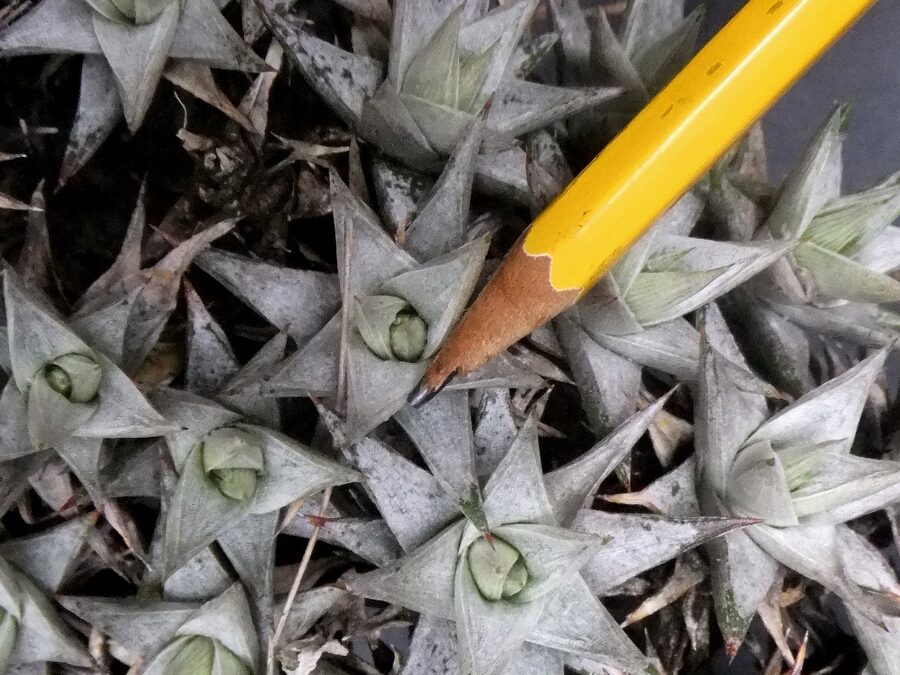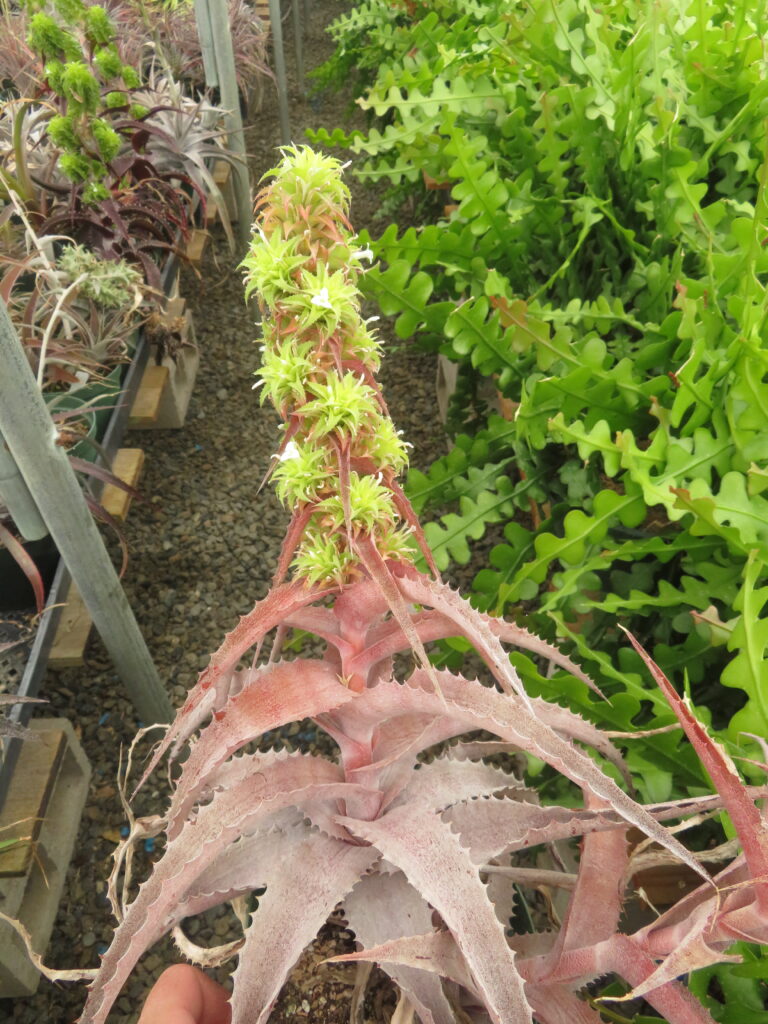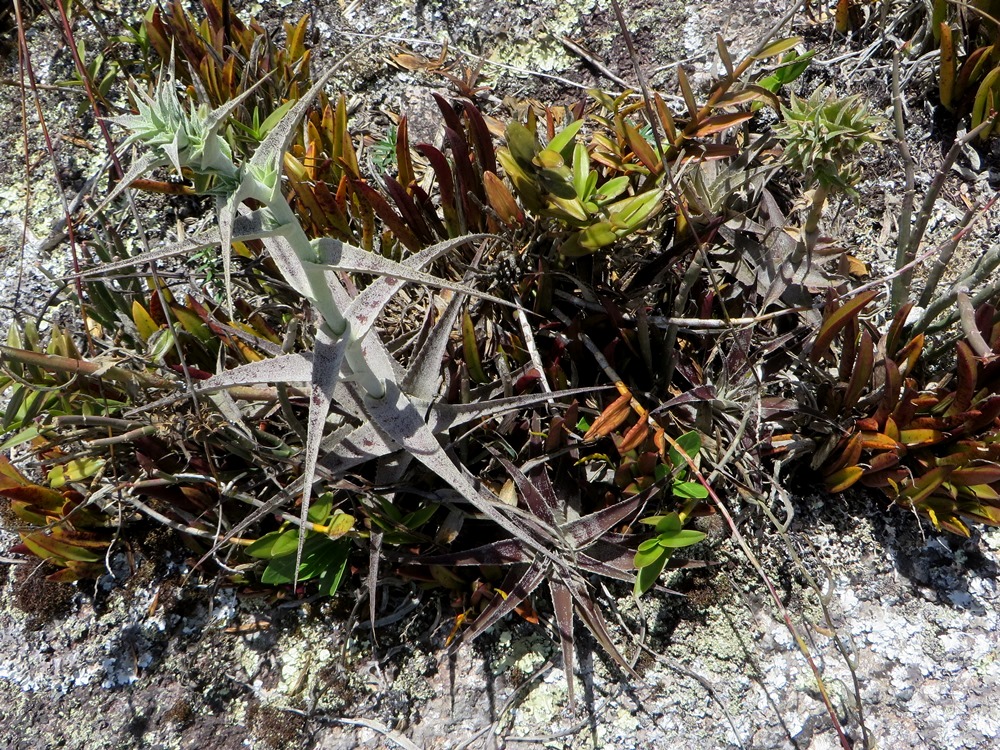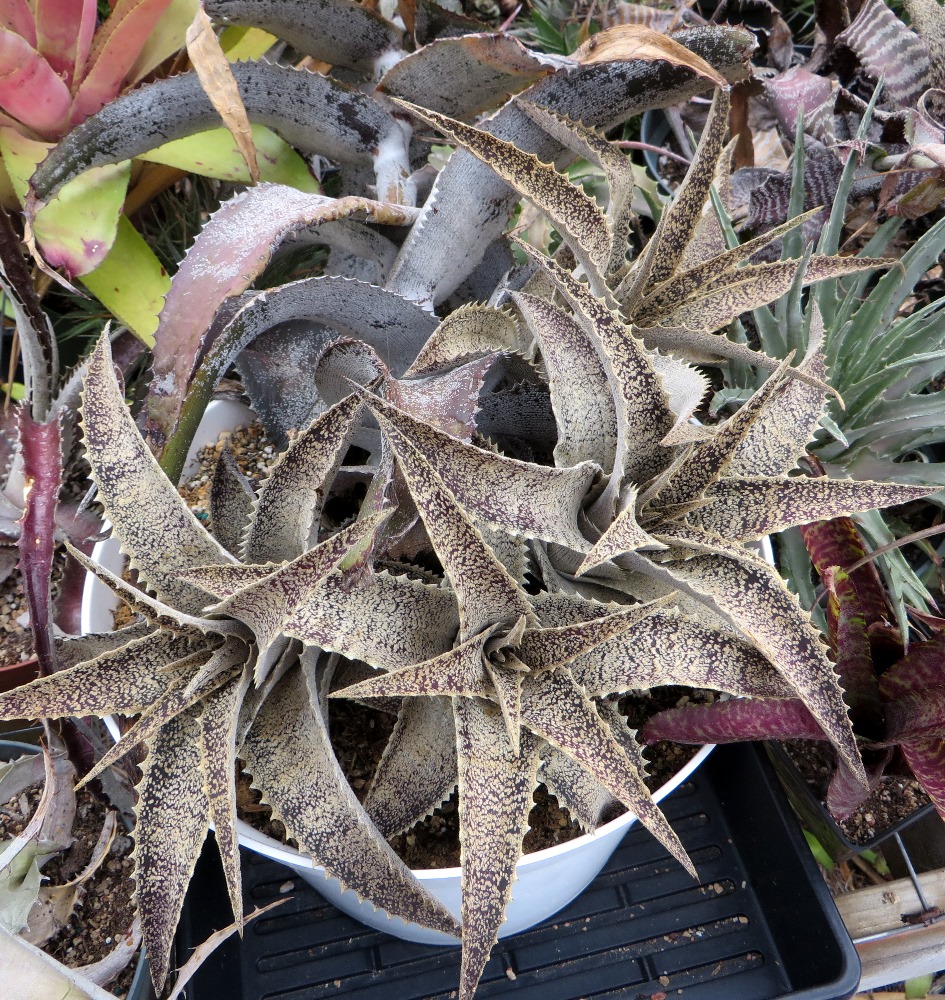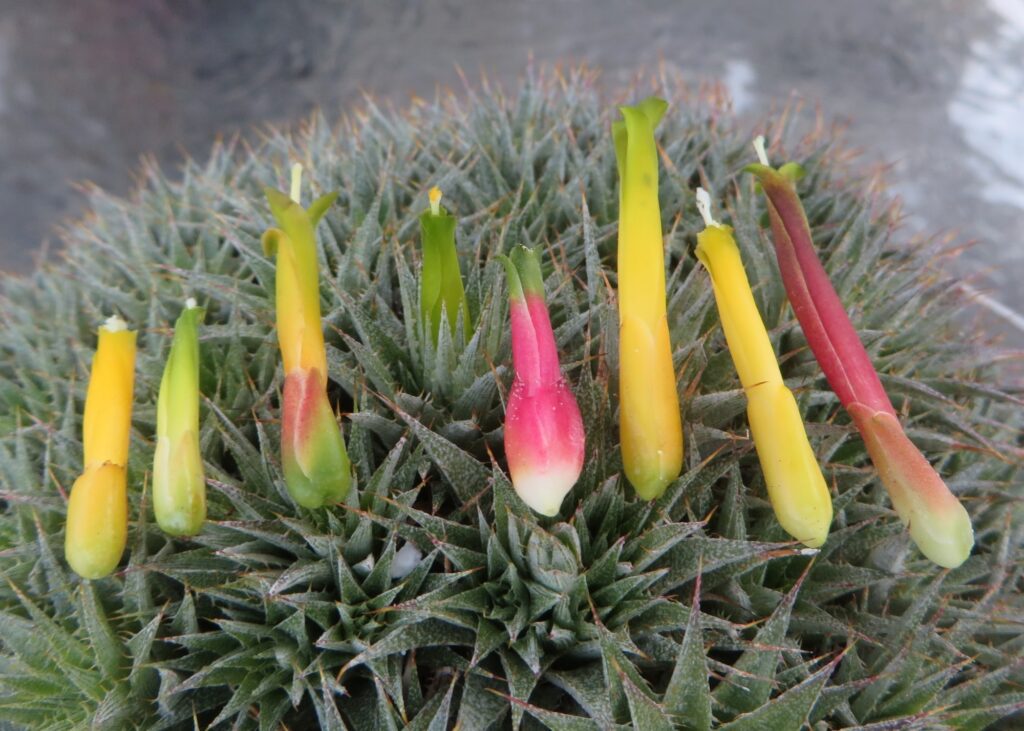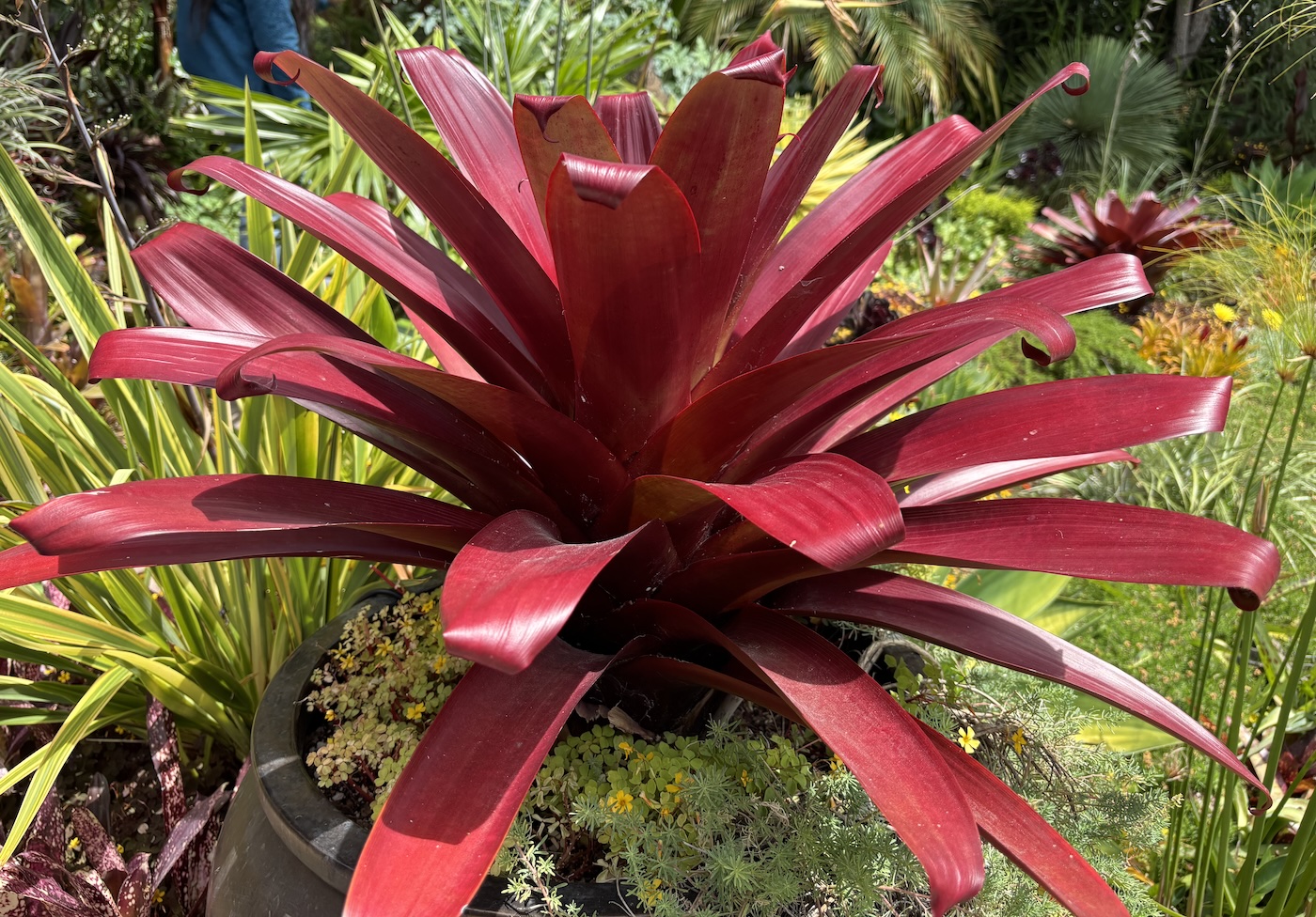
This talk will walk us through two relatively small genera of succulent bromeliads from South America. The genus Deuterocohnia (17 species) is primarily distributed in the Andes. It includes a range of sizes, from large plants with rosettes that can grow to 4-5 feet across down to charismatic clumping plants with rosettes less than an inch wide. Researchers studying this genus recently improved our understanding of the evolutionary relationships, and have shown how convergence on a few traits has occurred within the genus. The genus Orthophytum (66 species) is restricted to the Brazilian Shield and is still growing rapidly. Due to the geography, geology, and vegetation communities, many species of Orthophytum are narrowly restricted with only a single population known. Many species in the genus are small enough to be easily grown in pots and have spines that are more for show than a threat to our hands and arms when working with them. Both groups are not particularly well represented in cultivation but are becoming more popular. Orthophytum have many more hybrids created, but Andy is actively working on creating many new and hopefully interesting Deuterocohnia hybrids.
Andy Siekkinen is an independent botanist who began studying bromeliads (focusing primarily on the genus Hechtia) in 2010. He has published 21 species and has a list much longer than that in queue. He entered the world of botany from horticulture and he believes you can’t (and shouldn’t try to!) separate the two. Living in San Diego, he runs a nursery (AndysBromeliads.com) focused on bromeliads and other interesting plants.